Vox Borders Series Review – Akshaya
The Vox Borders series is a fascinating documentary created
by Johnny Harris, which tells the stories of borders throughout the world. This
series captures the importance of borders in varying forms, from the physical
borders that we build, national borders that draw on maps and the social
borders we create in our minds. Vox Borders highlights how significant and
defining borders can be, and how the implications of their permeability and
location and hugely affect the world. As I am impatiently awaiting the release
of season two of the series, I will be reviewing the first season.

 The series was launched with the release of ‘Divided Island: How Haiti and the DR became
two worlds’; a video about the distinguishing border between these two greatly
socio-economically contrasting countries. The video refers to the countries’ dissimilar
colonial pasts, and how this impacted them to this day; this is captured by effective
animation that keeps the video engaging. The video includes Harris himself experiencing
a typical day at the market for the Haitian women, which emphasises the struggle
and discrimination the Haitian people go through on a daily basis. The
inclusion of videos of the local people makes the experiences Harris describes more
authentic and humanises the situations.
The series was launched with the release of ‘Divided Island: How Haiti and the DR became
two worlds’; a video about the distinguishing border between these two greatly
socio-economically contrasting countries. The video refers to the countries’ dissimilar
colonial pasts, and how this impacted them to this day; this is captured by effective
animation that keeps the video engaging. The video includes Harris himself experiencing
a typical day at the market for the Haitian women, which emphasises the struggle
and discrimination the Haitian people go through on a daily basis. The
inclusion of videos of the local people makes the experiences Harris describes more
authentic and humanises the situations.
 This combination of Harris’ experiences in the place itself,
animation and history, interviews of the locals and beautiful shots of the
region, continues throughout the next five episodes of season one and make this
series truly captivating. Episode two discusses the importance of drawing
borders, and how the positioning of said borders can have huge implications;
the episode is about how the melting of polar ice caps and the growing arctic
ocean has created a necessity to draw borders here, and how Russia and other
countries are attempting to make the most of this new opportunity for fossil
fuels. Episode three moves on to borders within society and how differing
beliefs and ideologies can divide people just as much as any physical barrier.
It looks at North Korea’s bubble in Japan; a community of 150,000 North Koreans
who were born and continue to reside in Japan, yet follow Korean traditions and,
most strikingly, the ideology of Kim il-Sung. With tensions between Japan and
North Korea being high, this community is incredibly separate from the rest of
Japanese society, and reflects the barriers that everyday people can make.
This combination of Harris’ experiences in the place itself,
animation and history, interviews of the locals and beautiful shots of the
region, continues throughout the next five episodes of season one and make this
series truly captivating. Episode two discusses the importance of drawing
borders, and how the positioning of said borders can have huge implications;
the episode is about how the melting of polar ice caps and the growing arctic
ocean has created a necessity to draw borders here, and how Russia and other
countries are attempting to make the most of this new opportunity for fossil
fuels. Episode three moves on to borders within society and how differing
beliefs and ideologies can divide people just as much as any physical barrier.
It looks at North Korea’s bubble in Japan; a community of 150,000 North Koreans
who were born and continue to reside in Japan, yet follow Korean traditions and,
most strikingly, the ideology of Kim il-Sung. With tensions between Japan and
North Korea being high, this community is incredibly separate from the rest of
Japanese society, and reflects the barriers that everyday people can make. 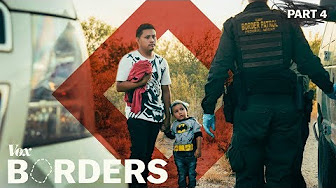 Episode four moves on to the topic most people think of
during the discussion of borders: migration. However, despite looking at the US-Mexican
border, this video focuses on a more overlooked topic that is becoming
increasing important. This is the increase in Central Americans migrating from
countries such as El Salvador, Honduras and Guatemala, often as an attempt to
escape micro wars due to gangs, and arriving at the USA. In order to prevent
this migration, the USA enlisted the help of Mexico to stop Central Americans
from reaching the border, and essentially do their dirty work. This video
discusses migration policies and how these policies affect real people, as well
as the problems with the system for granting asylum seekers refugee status.
Episode four moves on to the topic most people think of
during the discussion of borders: migration. However, despite looking at the US-Mexican
border, this video focuses on a more overlooked topic that is becoming
increasing important. This is the increase in Central Americans migrating from
countries such as El Salvador, Honduras and Guatemala, often as an attempt to
escape micro wars due to gangs, and arriving at the USA. In order to prevent
this migration, the USA enlisted the help of Mexico to stop Central Americans
from reaching the border, and essentially do their dirty work. This video
discusses migration policies and how these policies affect real people, as well
as the problems with the system for granting asylum seekers refugee status. 
 The absence of borders is the theme of episode five, where
non-state areas, in regions such as the Himalayas, exist due to their extreme
geography making it difficult to draw lines between areas. This episode
highlights the concept of living without administrative borders, the benefits
of borders, and how international trade, sharing of knowledge and globalisation
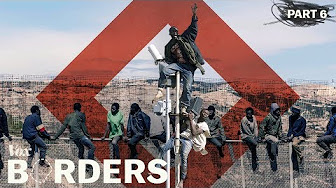
impacts small isolated communities and their cultures. The final episode is similar
to the fourth, and is titled ‘Europe’s
most fortified border is in Africa’ and is about the pain and human loss
that borders can cause. The border in question is the border between the
Spanish autonomous city Melilla, on the north coast of Africa, and Morocco. Due
to Melilla’s wealth, opportunities and status in the EU, the area is a greatly
desirable place to migrate too, so much so that people are willing to risk
their lives to do so. The episode talks in detail about the struggles these people
endure in order to reach Melilla, the violence and racism that occurs at the
border, as well as the push and pull factors of migration.
The absence of borders is the theme of episode five, where
non-state areas, in regions such as the Himalayas, exist due to their extreme
geography making it difficult to draw lines between areas. This episode
highlights the concept of living without administrative borders, the benefits
of borders, and how international trade, sharing of knowledge and globalisation
impacts small isolated communities and their cultures. The final episode is similar
to the fourth, and is titled ‘Europe’s
most fortified border is in Africa’ and is about the pain and human loss
that borders can cause. The border in question is the border between the
Spanish autonomous city Melilla, on the north coast of Africa, and Morocco. Due
to Melilla’s wealth, opportunities and status in the EU, the area is a greatly
desirable place to migrate too, so much so that people are willing to risk
their lives to do so. The episode talks in detail about the struggles these people
endure in order to reach Melilla, the violence and racism that occurs at the
border, as well as the push and pull factors of migration.This series is incredibly interesting, well produced, comprehensive and engaging – 5/5


ReplyDeleteVery interesting and learned a lot! Looking forward for the next one. Very well written.👍🏼